About Us
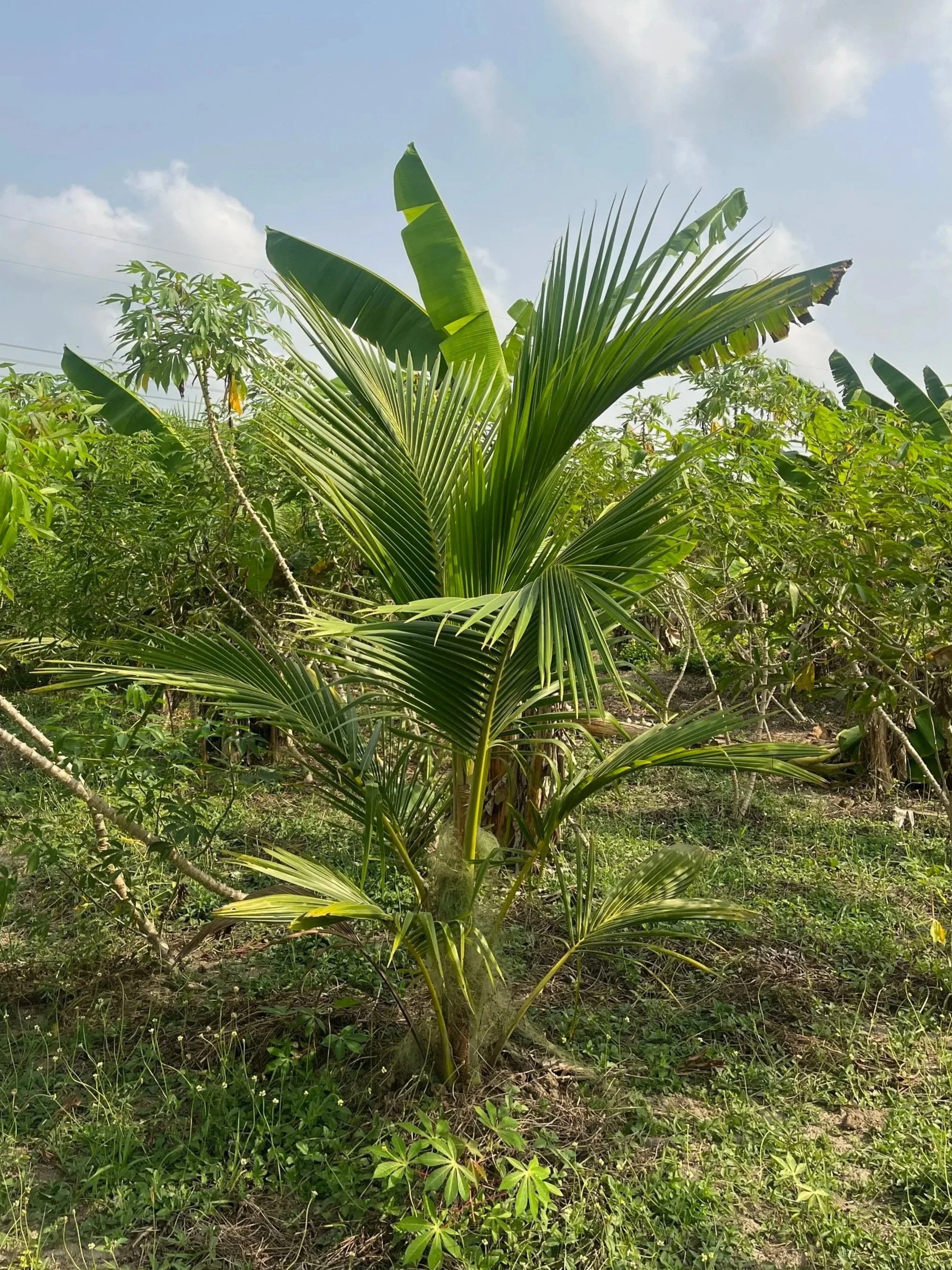
Kube Hemaa is a social farming initiative based in Ghana, dedicated to building a sustainable and future-oriented agricultural business. What began as a personal vision inspired by family roots has grown into a promising coconut farm along the Ghanaian coast.
Today, we cultivate over 5000 coconut trees across 44 hectares while also growing seasonal crops such as maize, yam, and okra. While we have already established a strong foundation, we are still at an early stage of our journey. With significant potential to expand production, develop new value chains, and scale our impact.
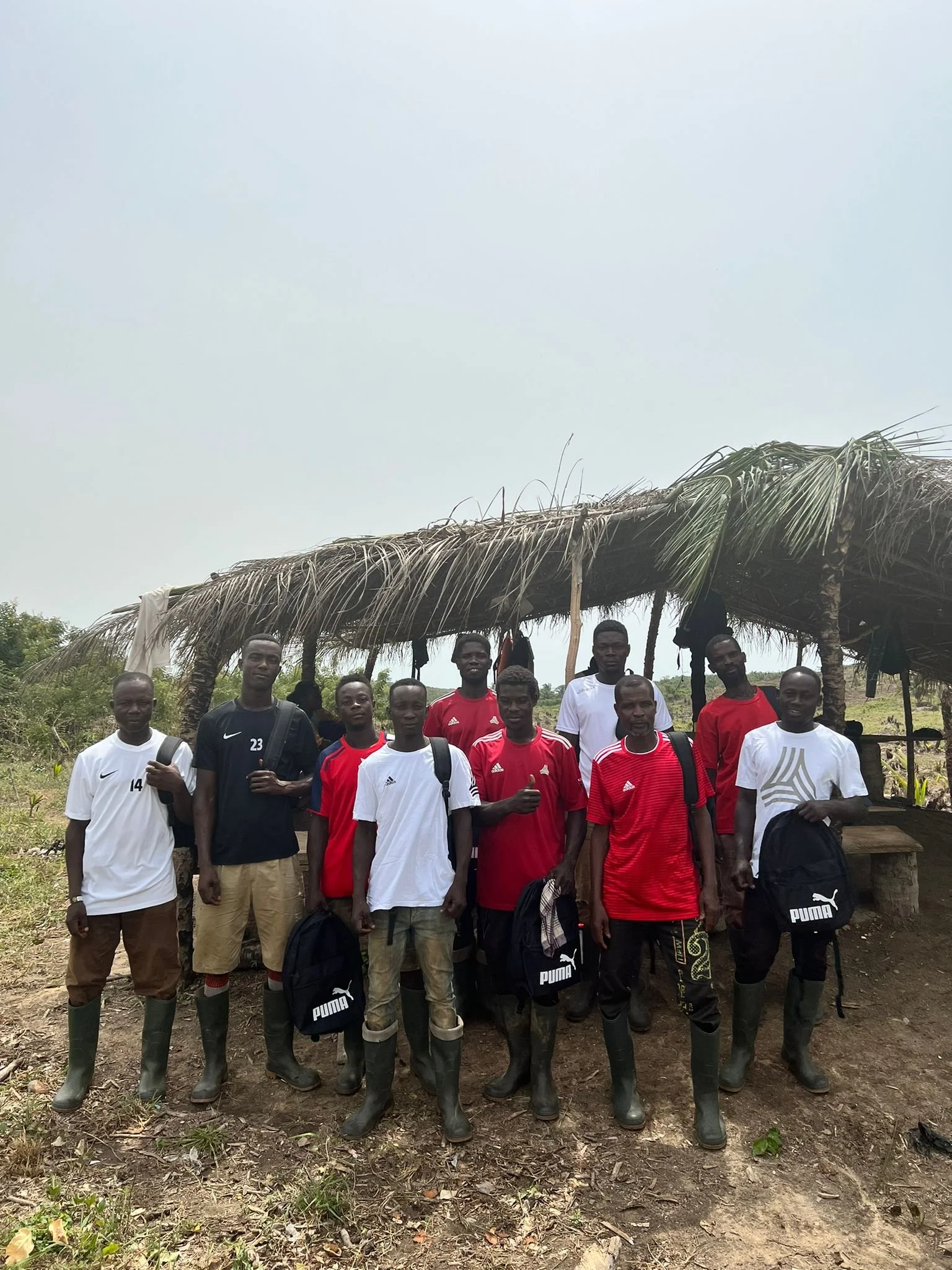
At the heart of Kube Hemaa is our team. We provide stable employment for local farm workers and support them not only through fair wages but also through tailored social benefits for them and their families. By combining traditional farming knowledge with modern approaches, we produce organic food while building a resilient and inclusive agricultural model.
We believe that farming can be more than a livelihood, it can be a pathway to dignity, growth, and sustainable development.
Technology and Innovation
At Kube Hemma, technology is not just a tool, it is a core part of how we build a smarter and more scalable farming system.
As part of our work, we developed a data-driven approach to farm management through a research project focused on drone-based monitoring and artificial intelligence.
Using drone imagery and deep learning models (YOLO), we are able to automatically detect and count coconut palm trees across large areas of farmland. This replaces manual counting, which is time-consuming and error-prone, and allows for more precise planning and decision-making.
A key innovation of our approach is the use of synthetic training data. Instead of manually labeling thousands of images, we generate artificial data to train the model. Making the system more efficient and scalable even with limited real-world data.
What makes this especially powerful is that it was developed directly within the context of our farm in Ghana, bridging the gap between academic research and real-world application.
As we continue to grow, we see strong potential to expand into:
Improved irrigation and smart farming systems
Data-driven farm management
Partnerships with universities and research institutions
We also promote digital inclusion by equipping our workers with smartphones, enabling access to information and modern communication tools.
Our long-term vision is to transform Kube Hemma into a technology-enabled farming model that can be replicated and adapted across the region.
Every event we host is Social Commitment
Social responsibility is at the core of everything we do. Kube Hemaa is built on the belief that a successful farm must also uplift the people behind it.
Even at this early stage, we actively support our team and their families through:
Providing bicycles to reduce commuting time
Supplying smartphones to promote digital inclusion
Distributing essential food items such as rice and oil
Offering clothing for both work and everyday life
Supporting families in emergencies
Providing bonuses twice a year
As we grow, we aim to expand these initiatives and create even more opportunities, especially for young adults and women through education, learning on the farm and explore oppertunities in agriculture and busniness.
Our vision is to build not just a farm, but a community-centered ecosystem of opportunity. way each session flows.
The Founders
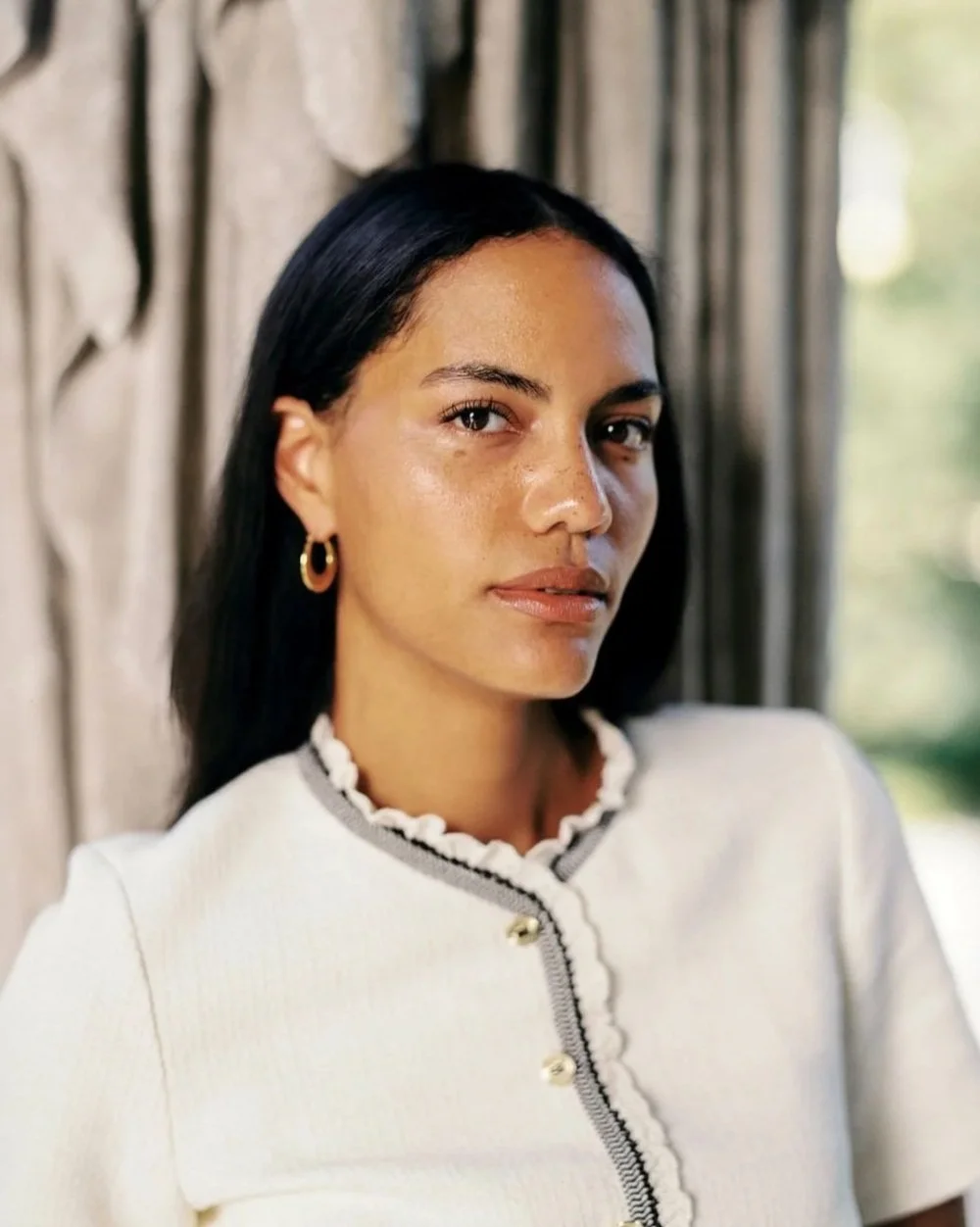
Barbara Böhm
Barbara is the founder of Kube Hemaa. With a background in Computer Science from Ludwig Maximilian University of Munich, she is currently pursuing her Master’s degree while building the farm.
She has experience in Deep Learning and Agentic AI through her work at BMW. Inspired by her family’s agricultural roots, she founded Kube Hemaa in 2021 to combine innovation with sustainable farming.
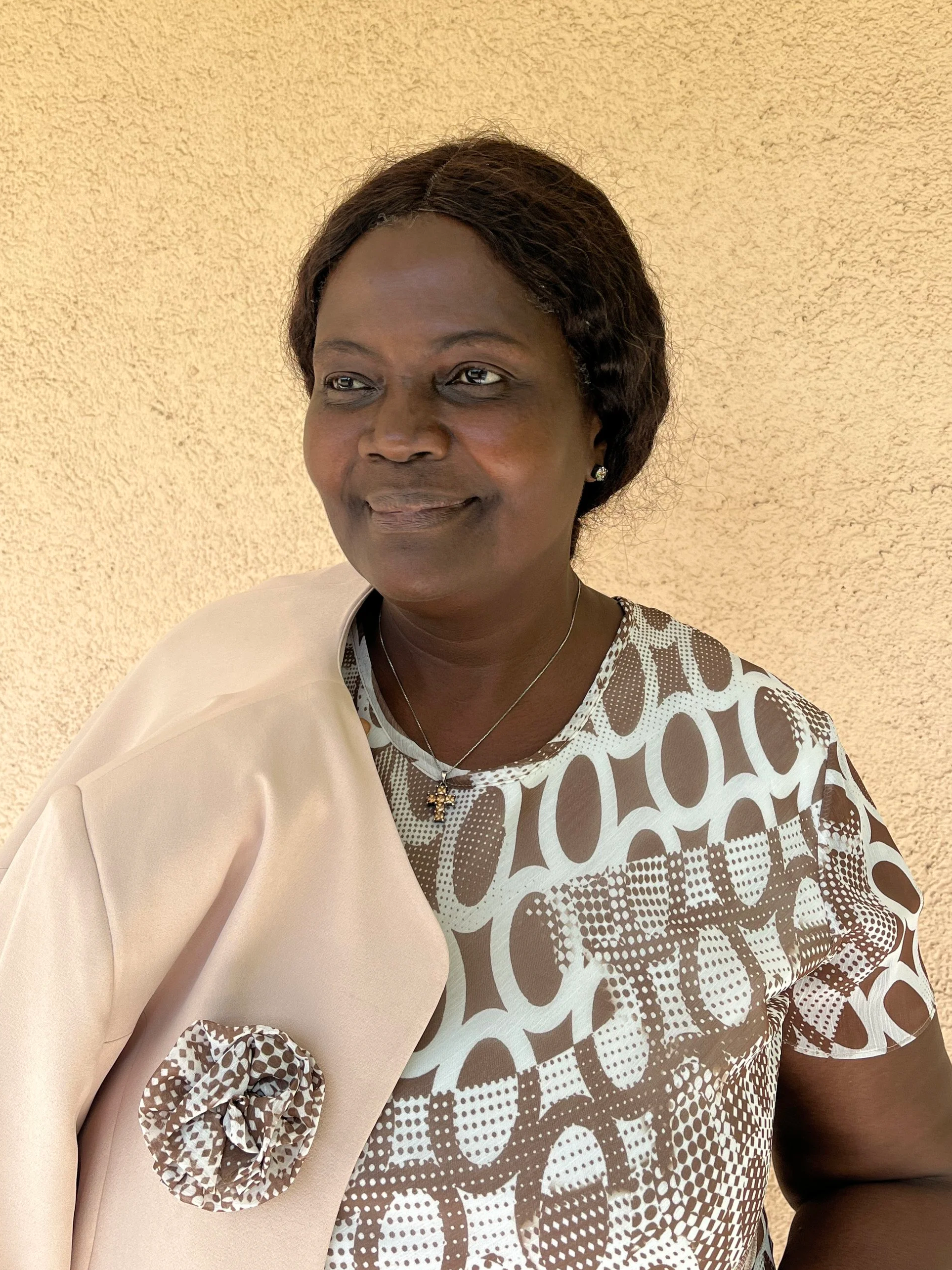
Veronica Böhm
Veronica is the co-founder of Kube Hemaa. With many years of experience as a businesswoman, she brings strong expertise in both business and agriculture.
She speaks multiple languages and has a keen understanding of people and different cultures, which helps her navigate complex situations and contribute to the steady development of the project.